
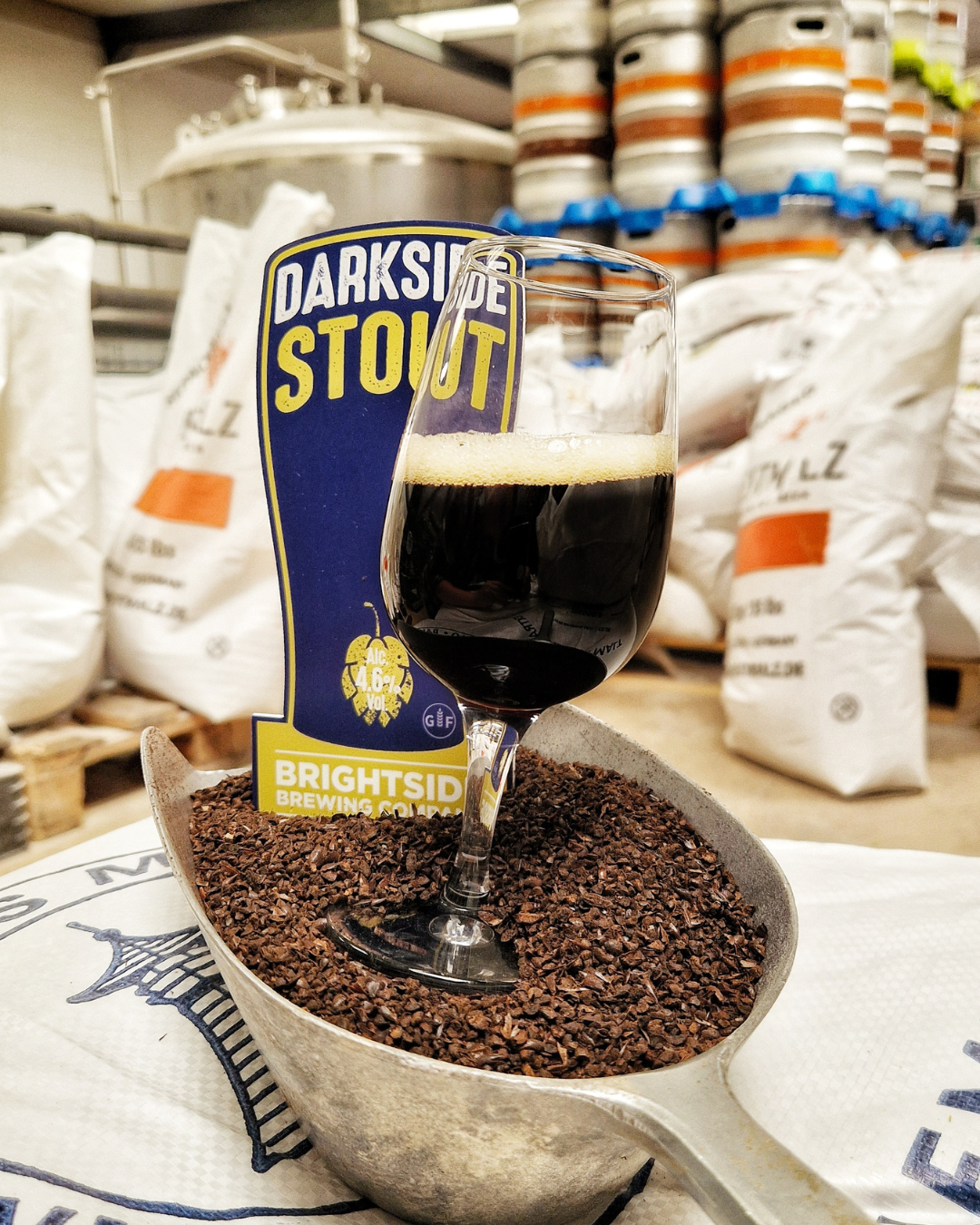
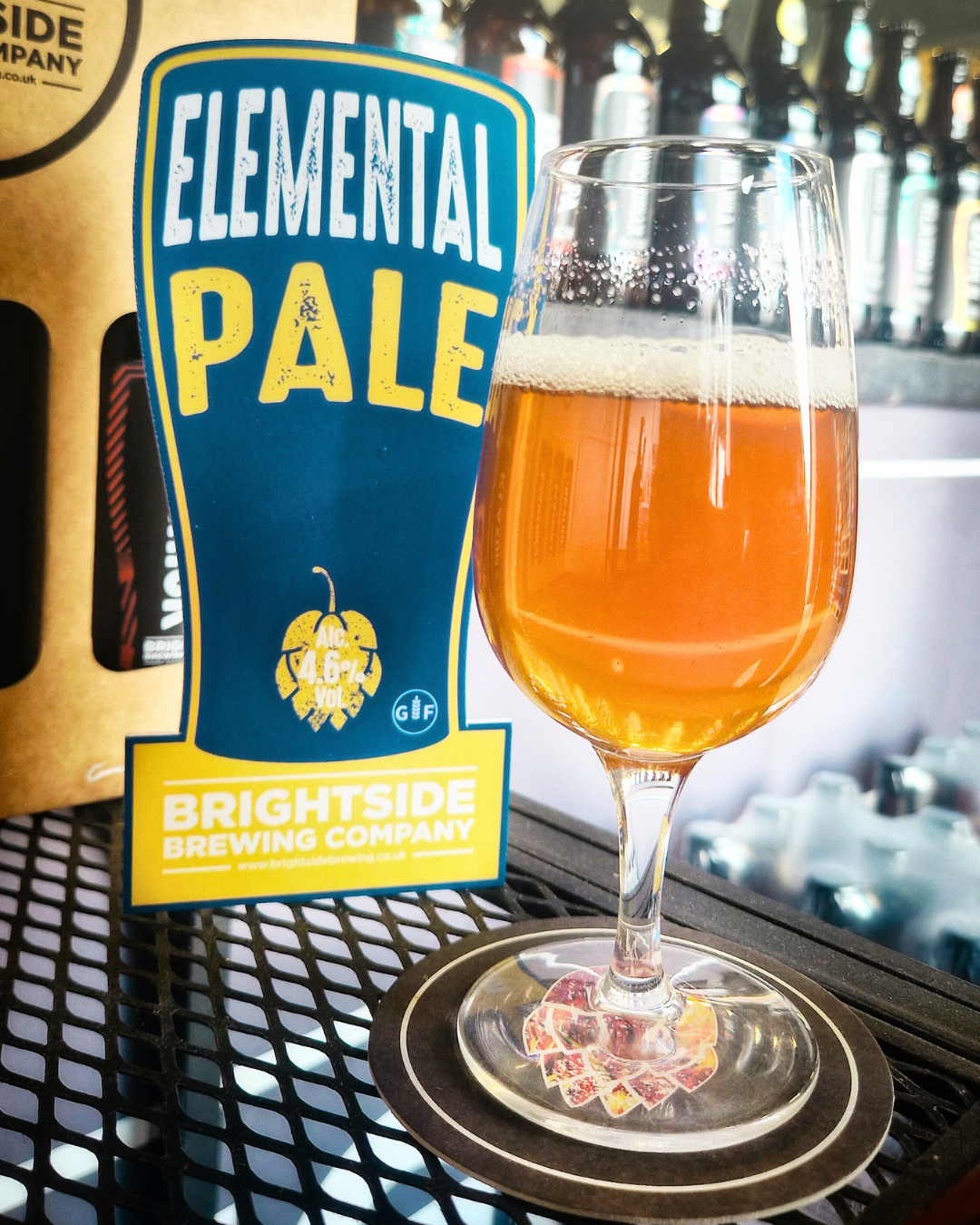
How do we write tasting notes for our beers? Well it’s obvious isn’t it? We taste them…
If only it were as simple as pouring out a few cold one’s on a Friday afternoon and scribbling out our first impressions!
The problem comes with the universal truth: that taste is, and forever will be, completely subjective. The flavours that may leap off the palate for you and I may be more subtle, overwhelmingly outspoken or completely different to how your friends, family, neighbours, pub landlord or postman may experience them on their first sip.
It is for this reason, that avid subscribers to our weekly beer update emails may have noticed, we spend an awful lot of our word count waffling on about almost anything and everything other than what the beer actually tastes like!
When we do finally cave and decide that we should probably give you an idea of the delicious beer your about to imbibe, this is how we write our beer tasting notes…
1. APPEARANCE
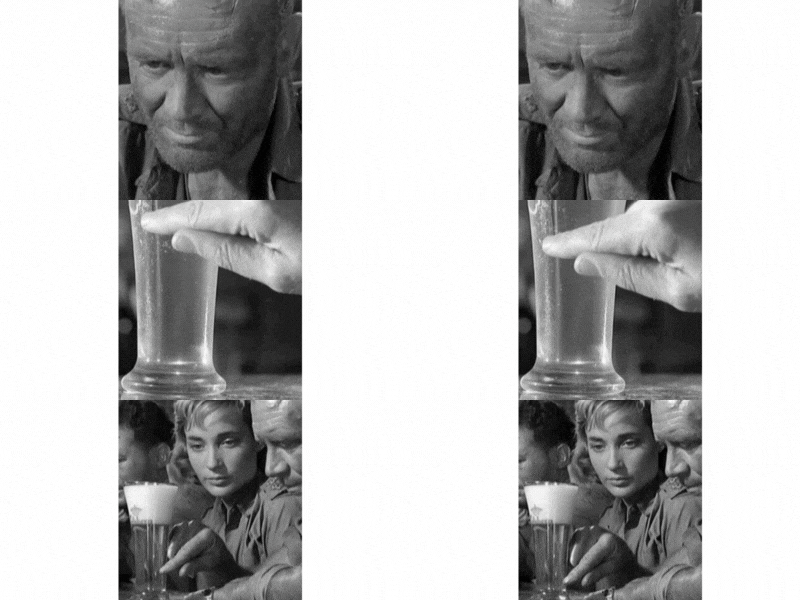
First impressions count and much like in fine cuisine, the first bite is taken with the eye.
As well as the obvious sense check of pouring out a new oat stout to find it’s crystal clear and pale yellow (alarm bells ringing).
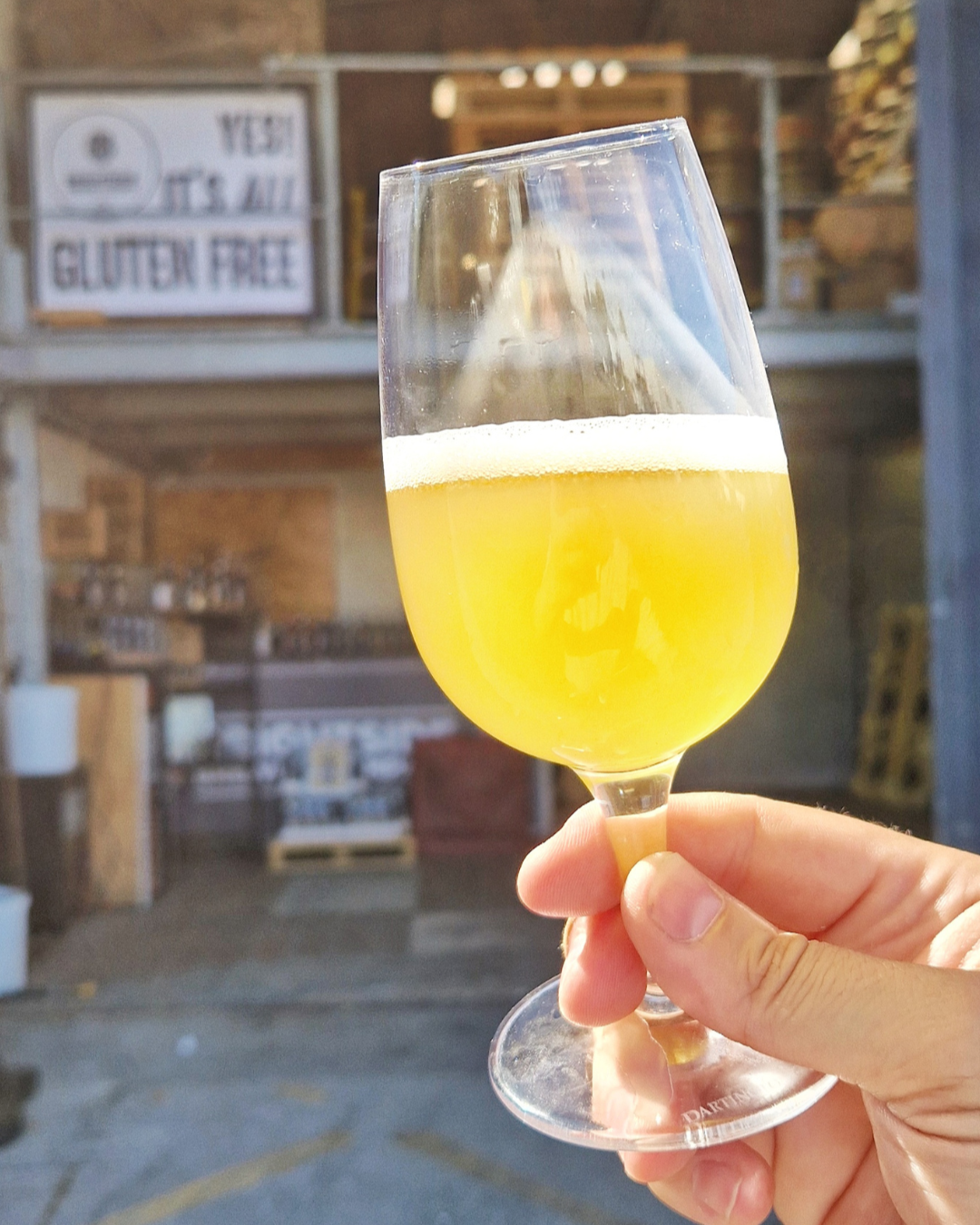
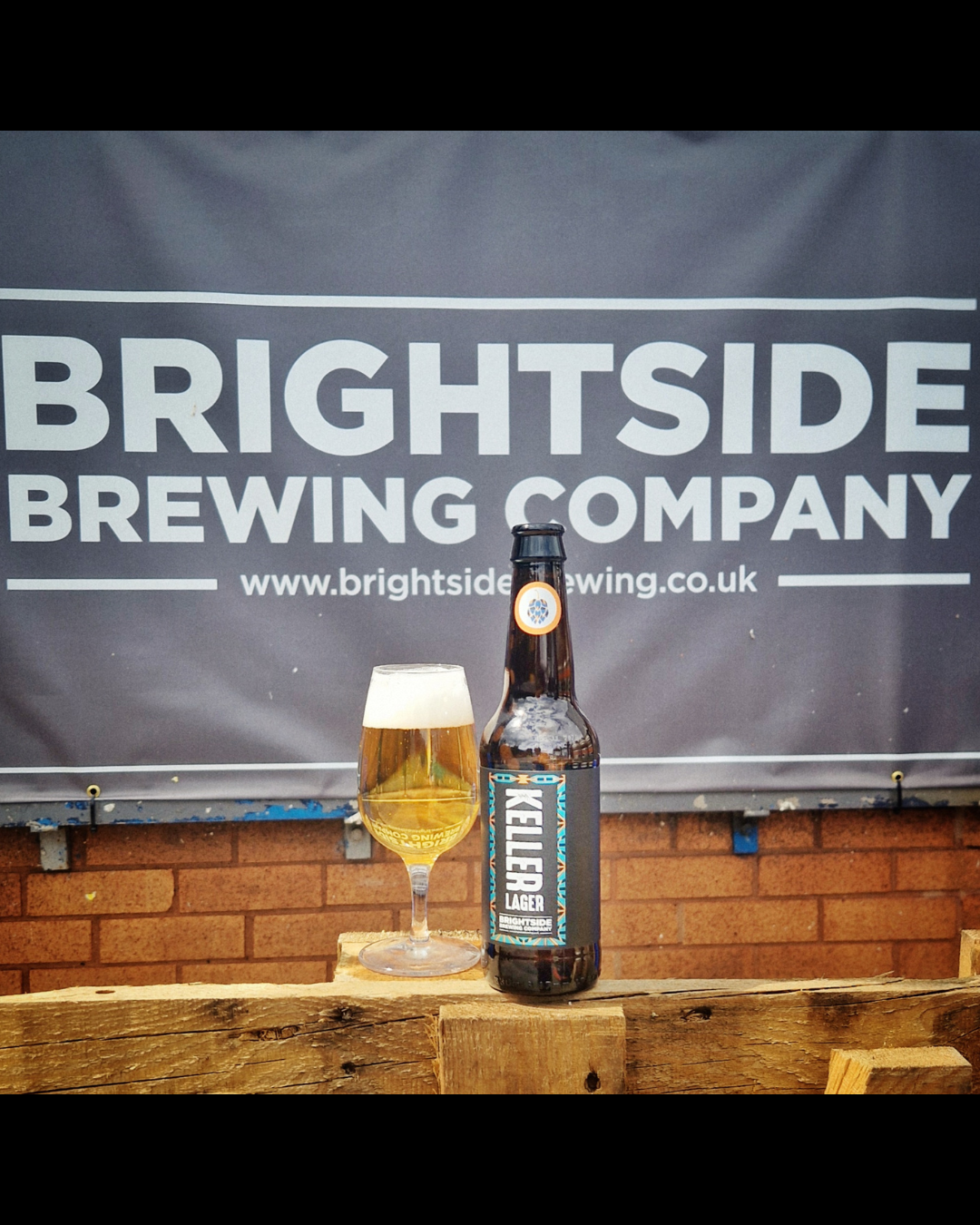
How our new beers appear and behave in the glass tells us a lot about them before we’ve even raised the glass towards our faces.
Has a bright white head formed and does it hold?
Has the beer fizzed over the top of the glass and all over our computer keyboards?
Is the beer clear or hazy? Is it supposed to be clear or hazy?
Does it glow like an effervescent liquid beacon begging to be drank?
Is it: Yellow? Straw Coloured? Copper? Ruby? Orange? Dark as a bat at night? or any other subtle shade that appears on the full brewer’s spectrum of beery refraction?
2. AROMA
That’s right, before we get to actual drink the stuff, we stick our shnozzes straight into the glass (just far enough in so they don’t get wet) and we huff a big inhale of hoppy aromas.
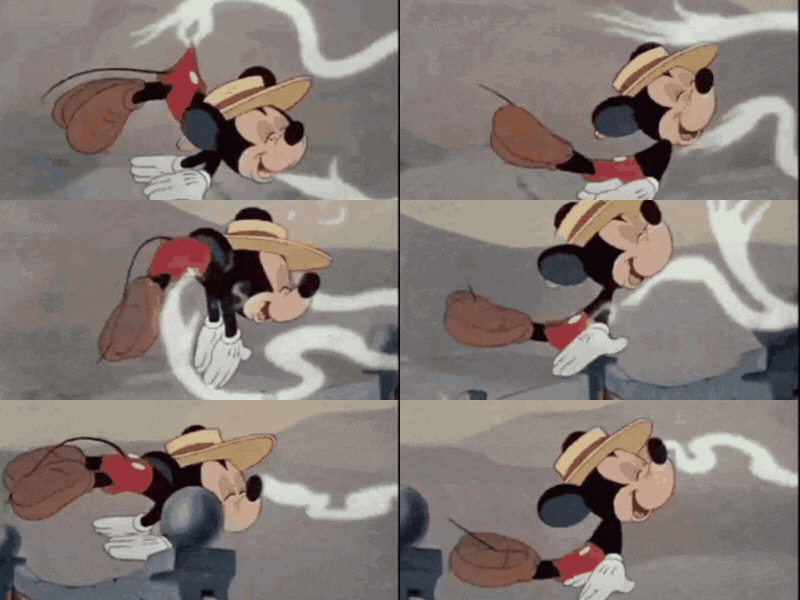
Taste and smell are linked incredibly closely, scientifically speaking, this is the reason cartoon characters levitate towards pies cooling on windowsills when they catch a whiff of them.
The majority of hops used in most Pale Ales, Blondes, IPAs, Golden Ales and other lighter styles are known as aroma hops (as oppose to bittering hops), these do exactly what they say on the tin, imparting heaps of aroma and associated flavours to the beer, shaping a huge part of what the finished product will taste like. Often these aromas are associated with ‘brighter’ flavours such as Citrus, Tropical fruits, Fresh Cut Grass, or Bubblegum.
3. WE TASTE IT!
Finally we get to have our first sip!
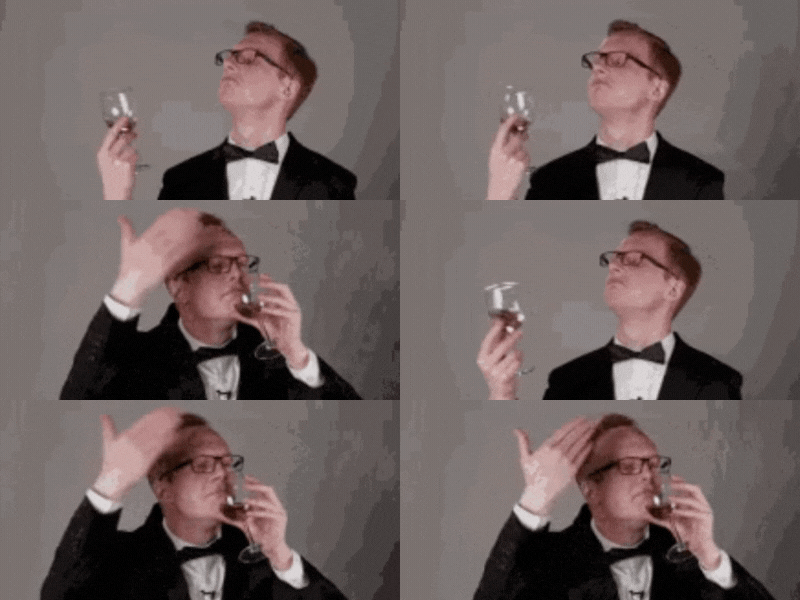
The pros will tell you to swill it round your mouth, coating your entire palate, aerating the liquid by slurping and all sorts of other behaviour that if you were caught doing it down your local pub, it would result in funny looks, mockery and in extreme cases; your mates turning their backs on you and pretending not to know you.
We don’t worry about any of that, we taste our beer in the way it was intended to be drank – we drink it!
We taste it; first to match the aromas to the flavours. Second to assess the more subtle base flavours originating from the malt, yeast and bittering hops which present themselves with more clarity in the mouth than on the nose. And finally to make sure there are no faults or off flavours presenting that may otherwise de-rail a delicious beer.
4. THE BREWSHEET
This is the step where we put names to faces, so to speak.
We check the brewsheet to try and equate what ingredients or brew process accounts for what we are tasting.
Where did that sweetness come from? Why is it so biscuity? Is that pineapple flavour the mosaic hops?
They say brewing, like cookery is part science, part art, and part wondering how you did that and will you ever be able to do it again? There are so many factors in the brewing process that stop it being quite as simple as paint by numbers – put these hops in and it will taste like this, use these malts in these quantities and it will turn out thusly. With every new recipe there is a certain amount of crossing the fingers and hoping what you wanted to brew does indeed turn out exactly how you intended it to.